




The Essentials of Factory Scheduled Maintenance
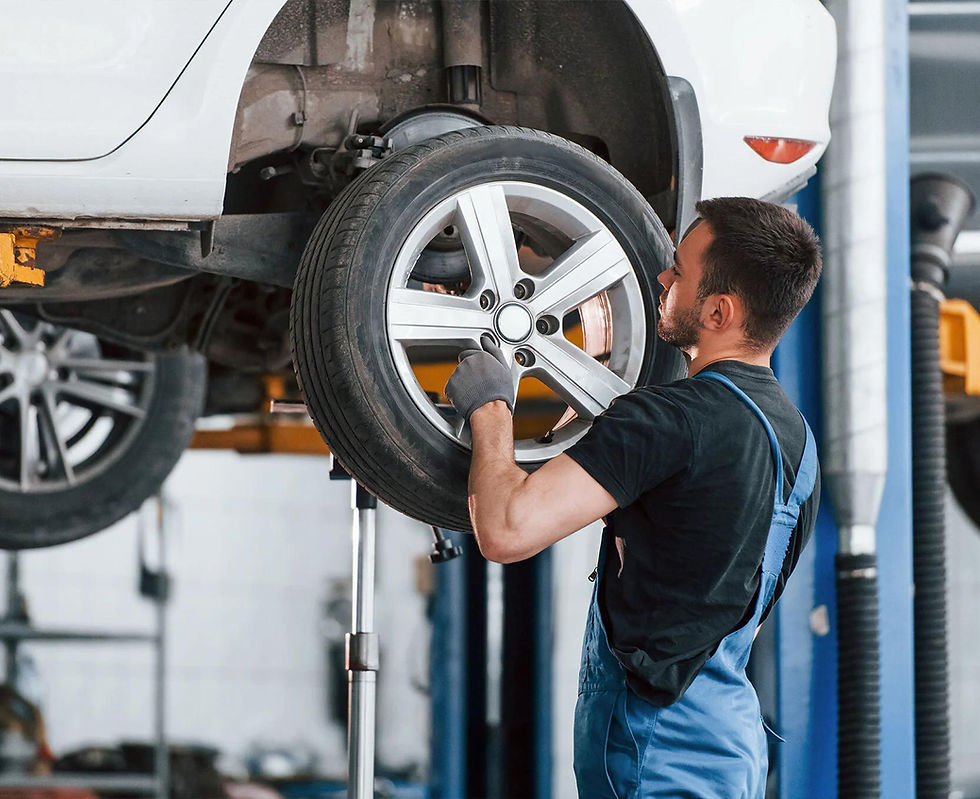
At Universal Tire & Auto in Longwood, FL, we know that keeping a vehicle reliable involves more than changing the oil whenever a reminder appears on the dashboard. Every manufacturer establishes a maintenance schedule designed to protect important mechanical systems, reduce premature wear, and help vehicles perform as intended over time. Whether you drive a family SUV, a daily commuter, or a work truck, following your vehicle's recommended service intervals can help prevent unexpected repairs and protect your investment.
Florida's demanding driving conditions make preventive maintenance especially important. High temperatures, heavy traffic, frequent rain, and daily air conditioning use all contribute to the demands placed on vehicle components. Understanding your factory maintenance schedule is one of the best ways to stay ahead of problems before they become expensive.
Quick Summary: Why Factory Scheduled Maintenance Matters
Follow manufacturer-recommended service intervals
Maintain engine oil, fluids, and filters regularly
Inspect brakes, tires, belts, and cooling systems
Adjust maintenance schedules for Florida driving conditions
Keep service records to protect reliability and resale value
Follow Manufacturer-Recommended Service Intervals
Every vehicle comes with a maintenance schedule established by its manufacturer. These schedules are based on engineering tests, component durability, operating conditions, and the expected service life of various fluids and parts.
Rather than treating maintenance as a series of unrelated repairs, factory scheduled maintenance provides a structured approach to caring for the entire vehicle.
Most schedules include services at specific mileage or time intervals. For example, an oil change might be required every several thousand miles or once a year, while certain transmission, cooling system, or spark plug services may be recommended at much longer intervals.
The exact requirements vary considerably depending on the make, model, engine, transmission, and model year.
Many newer vehicles also include electronic maintenance reminders that monitor mileage, operating conditions, or estimated oil life. These systems can be useful, but they don't necessarily track every maintenance item your vehicle requires.
Your owner's manual remains the best starting point for determining which services are due and when.
Drivers should also pay attention to the difference between normal and severe service schedules. Vehicles used for frequent short trips, extended idling, towing, heavy loads, or demanding commercial work may require more frequent maintenance.
Following the correct schedule helps ensure that components receive attention before excessive wear or contamination causes problems.
Maintain Engine Oil, Fluids, and Filters Regularly
Engine oil changes are probably the most familiar maintenance service, but they represent only one part of factory scheduled maintenance.
Modern vehicles depend on several specialized fluids to lubricate components, transfer power, regulate temperature, and maintain safe operation.
Engine oil protects internal moving parts against friction, heat, and contamination. As oil ages, its additives become depleted and contaminants accumulate, reducing its ability to protect the engine effectively.
Transmission fluid performs equally important functions, particularly in automatic transmissions that rely on hydraulic pressure and precise internal operation.
Coolant helps regulate engine temperature while protecting cooling system components against corrosion. Brake fluid transfers hydraulic pressure throughout the braking system and must maintain its performance under high temperatures.
Some vehicles also require scheduled service for differential fluid, transfer case fluid, or power steering fluid.
Filters are another essential maintenance item.
Engine air filters protect the intake system from dust and debris, while cabin air filters remove airborne particles from air entering the passenger compartment. Fuel filters protect fuel delivery components, with particularly important applications in diesel engines.
A neglected filter may contribute to reduced airflow, decreased comfort, or mechanical problems depending on its function and condition.
The correct replacement interval depends on the vehicle and operating environment. Replacing every fluid or filter at an arbitrary mileage isn't necessarily beneficial, but ignoring manufacturer recommendations can become costly.

Inspect Brakes, Tires, Belts, and Cooling Systems
Factory maintenance schedules aren't limited to replacing parts. Inspections are equally important because they help identify developing problems before components fail.
Brakes are a good example.
Brake pads gradually wear with normal use, but their lifespan depends on driving habits, vehicle weight, and operating conditions. Frequent stop-and-go traffic can accelerate wear, especially on heavier SUVs and work trucks.
During a brake inspection, technicians can evaluate pad thickness, rotor condition, brake lines, calipers, and fluid condition.
Tires also require regular attention. Pressure checks, tread inspections, rotations, and alignment evaluations help improve safety while reducing premature wear.
Belts and hoses deserve particular attention as vehicles age.
Rubber components can deteriorate gradually from heat, chemical exposure, and repeated temperature changes. A cracked belt or weakened coolant hose may appear relatively minor until it fails unexpectedly.
Cooling system inspections can reveal leaks, damaged hoses, radiator problems, or other conditions that could contribute to overheating.
Preventive inspections help turn unexpected failures into planned repairs. Replacing a deteriorating hose during scheduled maintenance is usually far less disruptive than dealing with an overheated engine on the highway.
The same principle applies to batteries, suspension components, steering systems, and other wear-related parts.
Adjust Maintenance Schedules for Florida Driving Conditions
A vehicle driven primarily on open highways experiences different operating conditions than one that spends much of its time in heavy urban traffic.
Throughout Central Florida, drivers frequently encounter a combination of high temperatures, humidity, traffic congestion, and sudden rainstorms.
These conditions can affect vehicle maintenance needs in several ways.
Heat is particularly demanding on batteries. High under-hood temperatures can accelerate battery aging, making routine battery testing valuable even when a vehicle appears to start normally.
Cooling systems also work hard during Florida summers. Extended idling and slow-moving traffic can place additional demands on radiators, cooling fans, and coolant circulation.
Tires experience significant temperature changes as they warm during driving, making proper cold inflation pressure especially important.
Humidity and rainfall can contribute to corrosion on exposed components, while water and road debris may affect underbody parts over time.
For drivers who frequently tow trailers, haul equipment, or operate vehicles commercially, the demands can be even greater.
However, Florida's climate alone doesn't mean every vehicle automatically requires more frequent service than the manufacturer recommends.
The best approach is to evaluate the manufacturer's severe-service criteria alongside actual driving conditions.
A technician familiar with the vehicle can help determine whether its maintenance schedule should be adjusted based on mileage, engine hours, towing, short trips, or operating environment.
This avoids both unnecessary services and preventable neglect.

Keep Service Records to Protect Reliability and Resale Value
One of the most overlooked benefits of factory scheduled maintenance is the documentation it creates.
A complete maintenance history provides a record of how the vehicle has been cared for throughout its life. It can also help technicians identify patterns, understand previous repairs, and avoid repeating services unnecessarily.
For vehicle owners, maintenance records are especially valuable when selling or trading in a car.
A prospective buyer may feel more confident purchasing a vehicle with documented oil changes, fluid services, inspections, and major maintenance items than one with an uncertain service history.
Service records can also be useful when dealing with warranty claims, since manufacturers may request evidence that required maintenance was performed.
For businesses operating several vehicles, consistent records become even more important.
Fleet managers can use maintenance histories to anticipate upcoming expenses, schedule vehicles around business operations, and evaluate when continued repairs are becoming less economical than replacement.
A simple digital maintenance log can include service dates, mileage, work performed, parts replaced, and the next recommended service interval.
Consistency matters more than complexity. Even basic records are valuable when they're kept accurately.
Over time, this information helps vehicle owners make better decisions about maintenance, repairs, and long-term ownership costs.
We’re Here to Help
At Universal Tire & Auto, located at 776 Bennett Dr #121, Longwood, FL, we help drivers stay current with factory scheduled maintenance, oil changes, fluid services, brake inspections, tire rotations, filter replacements, cooling system service, and complete vehicle diagnostics. Our team can help you understand which maintenance items are due and why they matter, so you can keep your vehicle dependable without unnecessary repairs.
Whether you're maintaining a daily commuter, family SUV, or work vehicle, our goal is to help protect your investment and reduce the likelihood of unexpected breakdowns.
Give us a call today at 407-636-4033 and let Universal Tire & Auto help you stay ahead of factory scheduled maintenance with dependable service in Longwood, FL.


Comments